
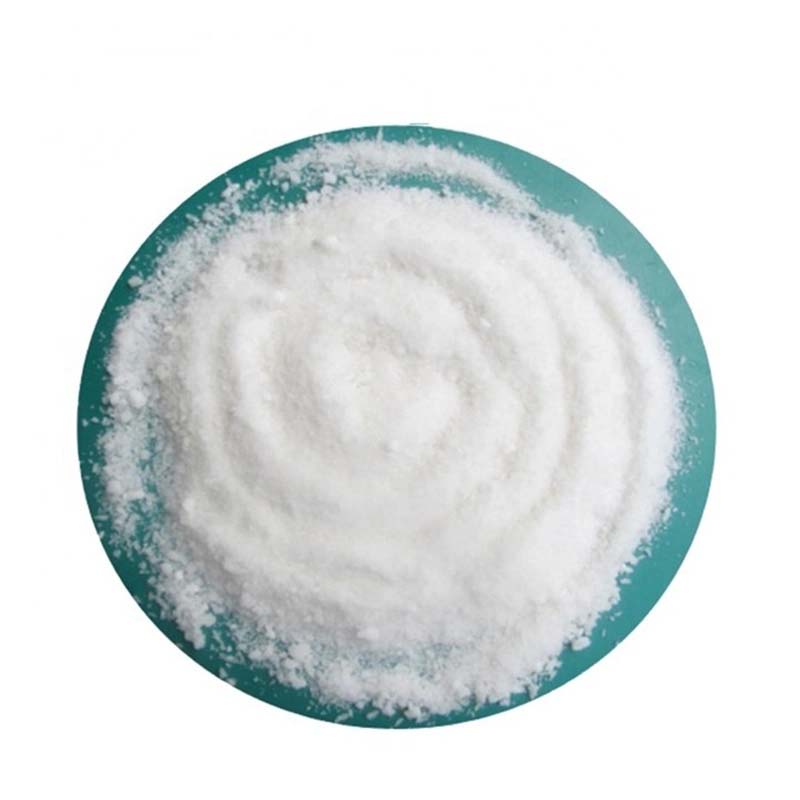
Thiamine chlorideCAS:59-43-8
Thiamine serves as an indispensable cofactor in key biochemical pathways, leveraging its coenzymatic properties to promote the transformation of carbohydrates into metabolically usable energy substrates.
Maintenance of Neurological Integrity
This essential micronutrient plays a pivotal role in sustaining normal neural tissue physiology and inhibiting the onset of various neurological disorders.
Thiamine contributes to the preservation of optimal myocardial function, while also supporting the efficient regulation of circulatory system dynamics.
Vitamin B1, frequently referred to as thiamine or thiamine hydrochloride, is a vital component of the B-vitamin family. This essential micronutrient plays a key role in regulating carbohydrate metabolism and acts as a foundational requirement for sustaining normal neurological signal transmission, myocardial function, and gastrointestinal tract operations.
Through the process of phosphorylation with adenosine triphosphate (ATP), vitamin B1 is converted into thiamine pyrophosphate—also known as cocarboxylase—which serves as an irreplaceable coenzyme in the biochemical pathways governing carbohydrate metabolism.
Melting point | 248 °C (decomp) |
density | 1.3175 (rough estimate) |
refractive index | 1.5630 (estimate) |
storage temp. | Keep in dark place,Inert atmosphere,Room temperature |
solubility | DMSO : 6 mg/mL (19.95 mM) |
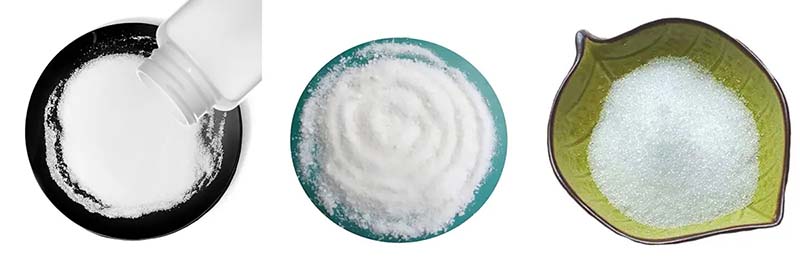
form | Solid |
color | White to off-white |
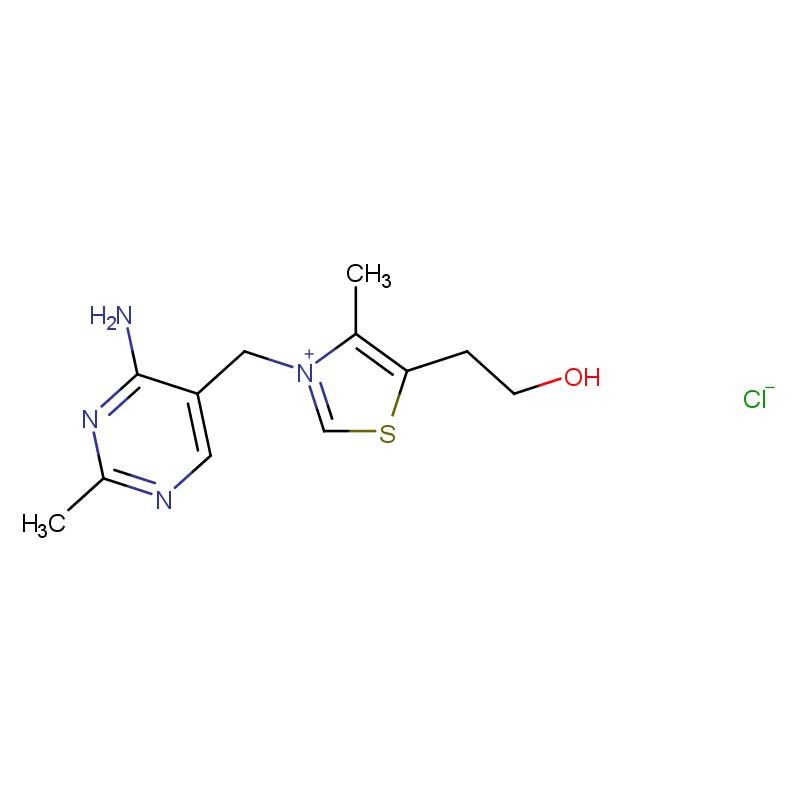
InChI | InChI=1S/C12H17N4OS.ClH/c1-8-11(3-4-17)18-7-16(8)6-10-5-14-9(2)15-12(10)13;/h5,7,17H,3-4,6H2,1-2H3,(H2,13,14,15);1H/q+1;/p-1 |
InChIKey | MYVIATVLJGTBFV-UHFFFAOYSA-M |
SMILES | O([H])CCC1=C(C)[N+](=CS1)CC1C=NC(=NC=1N)C.[Cl-] |
LogP | -3.930 (est) |
CAS DataBase Reference | 59-43-8(CAS DataBase Reference) |
EPA Substance Registry System | Thiamine (59-43-8) |
Safety Information | |
Hazardous Substances Data | 59-43-8(Hazardous Substances Data) |

Insufficiency of this coenzyme disrupts the normal progression of oxidative metabolism, triggering the abnormal buildup of pyruvate and lactate. This metabolic disturbance in turn impairs the efficiency of cellular energy generation processes.