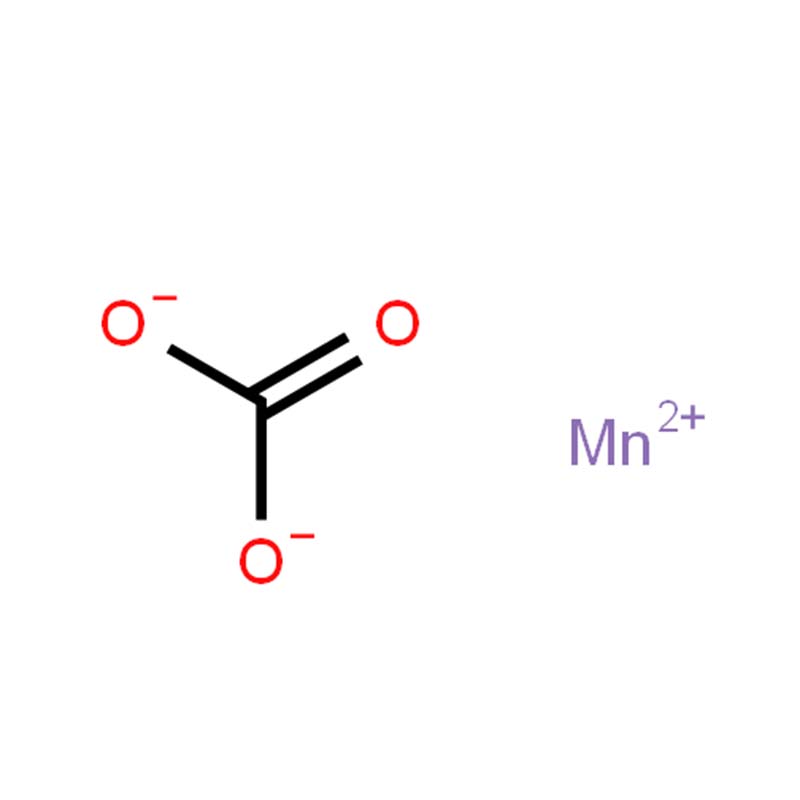
Manganese Carbonate CAS:598-62-9
Natural & Synthetic Sourcing Options:It can be naturally sourced from the mineral rhodochrosite, providing a consistent, naturally derived raw material.
Lab-Controlled Synthesis Pathway:It is also easily synthesized under laboratory conditions via reactions using sodium bicarbonate and carbon dioxide.
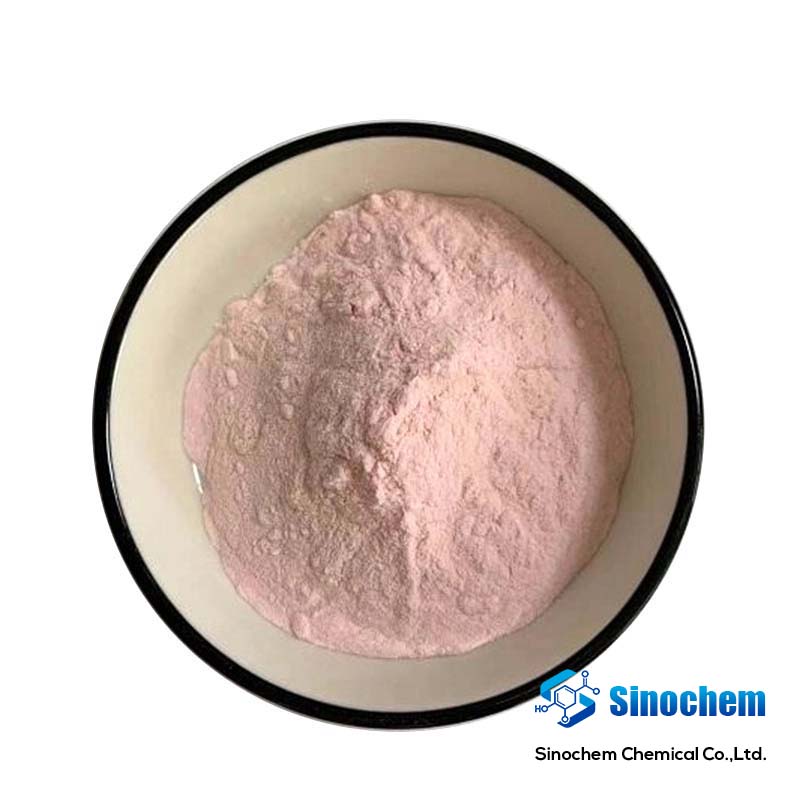
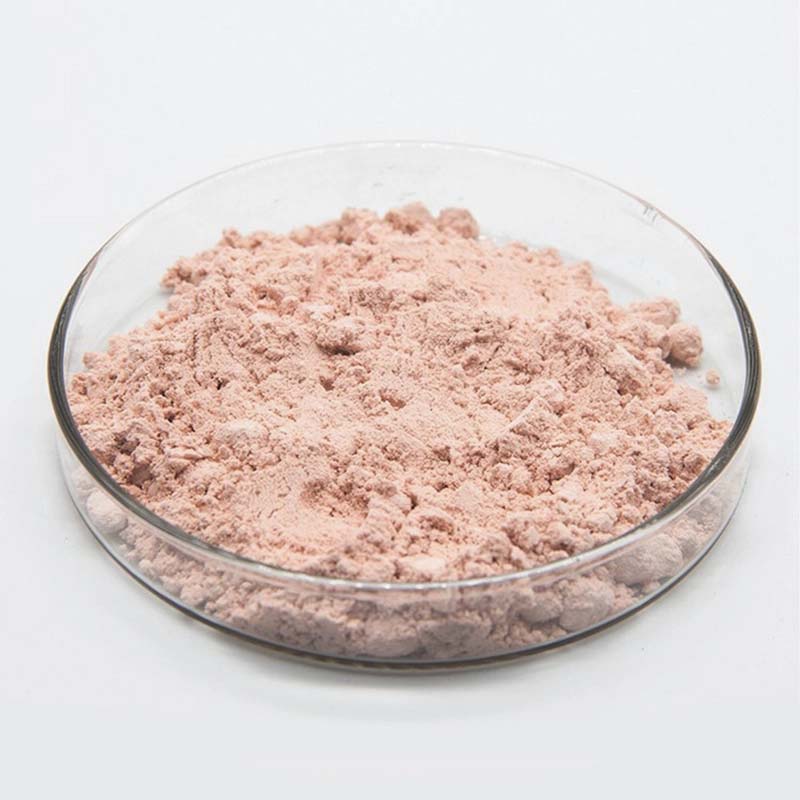
Distinctive Visual Characteristics:It precipitates as a unique pale pink solid, making visual identification straightforward during production.
Stable Hydrated Crystal Structure:It is commonly found in the monohydrate form (MnCO₃·H₂O), offering structural stability suitable for various industrial uses.
Rincian Produk
Manganese(II) carbonate occurs naturally as the mineral rhodochrosite. For lab production, it can be made as a pale pink precipitate by reacting an aqueous manganese(II) salt solution with sodium bicarbonate in a carbon dioxide-saturated environment. This process yields the monohydrate form, MnCO₃·H₂O.
Parameters
| Category | Specification & Details |
| CAS Number | 598-62-9 |
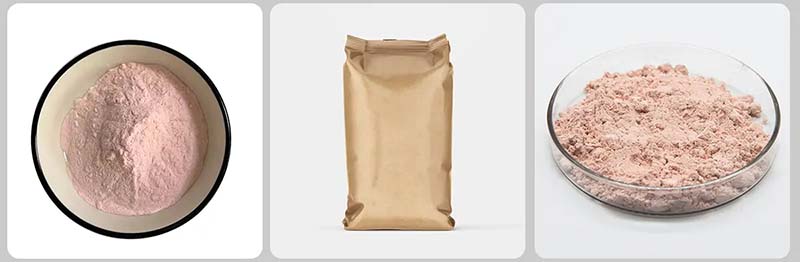
| Physical Properties | - Appearance: Light brown to violet powder- Melting Point: Decomposes at 350°C- Density: 3.12 g/mL (25°C, lit.)- Specific Gravity: 3.125 |
| Solubility | - Water Solubility: 0.065 g/L (sparingly soluble)- Soluble in dilute inorganic acids; insoluble in alcohol- pKsp: 10.63 |
| Exposure Limits | - ACGIH: TWA 0.02 mg/m³ / TWA 0.1 mg/m³- OSHA: Ceiling 5 mg/m³- NIOSH: IDLH 500 mg/m³; TWA 1 mg/m³; STEL 3 mg/m³ |
| Stability & Safety | - Stability: Stable under normal conditions; incompatible with strong acids/oxidizing agents, may be moisture-sensitive- Estimated LogP: -0.809- Merck Index: 14,5726 |
Safety Information
| Safety Statements | 22-24/25 |
| WGK Germany | 3 |
| RTECS | OM2470000 |
| TSCA | Yes |
| HS Code | 2836991780 |
| Hazardous Substances Data | 598-62-9(Hazardous Substances Data) |
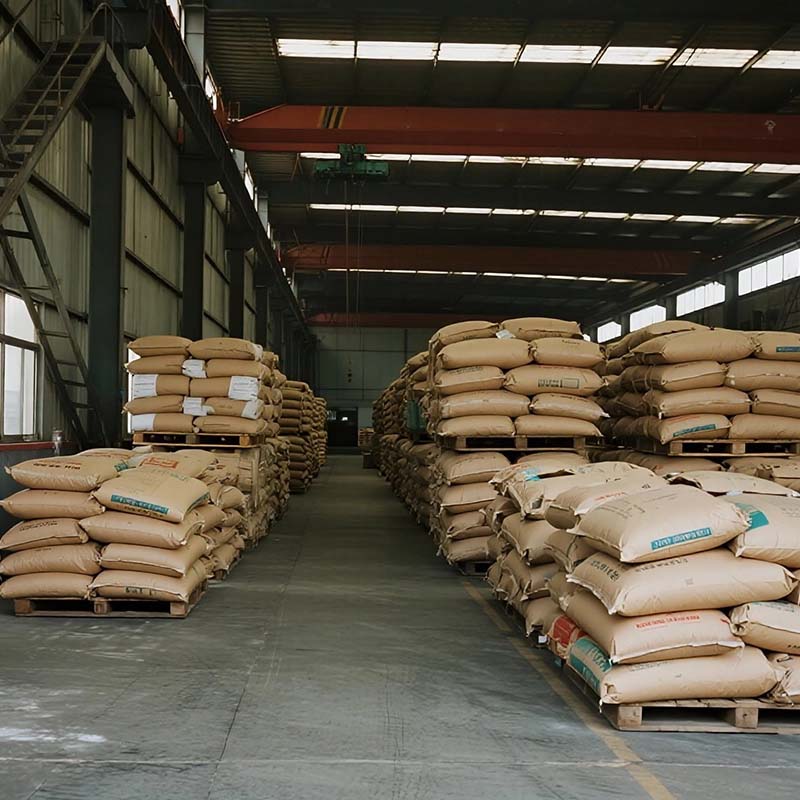
Manganese carbonate is widely used as an agricultural micronutrient additive, helping to address manganese deficiency in crops through fertilizers. Beyond agriculture, it serves as a nutritional supplement in health products. In industry, it acts as both a colorant and flux in ceramic glazes, and is also used in concrete staining. In pharmaceuticals, it functions as a hematinic, supporting blood cell formation by working synergistically with iron, vitamin B12, and folate.

Tinggalkan pesan Anda