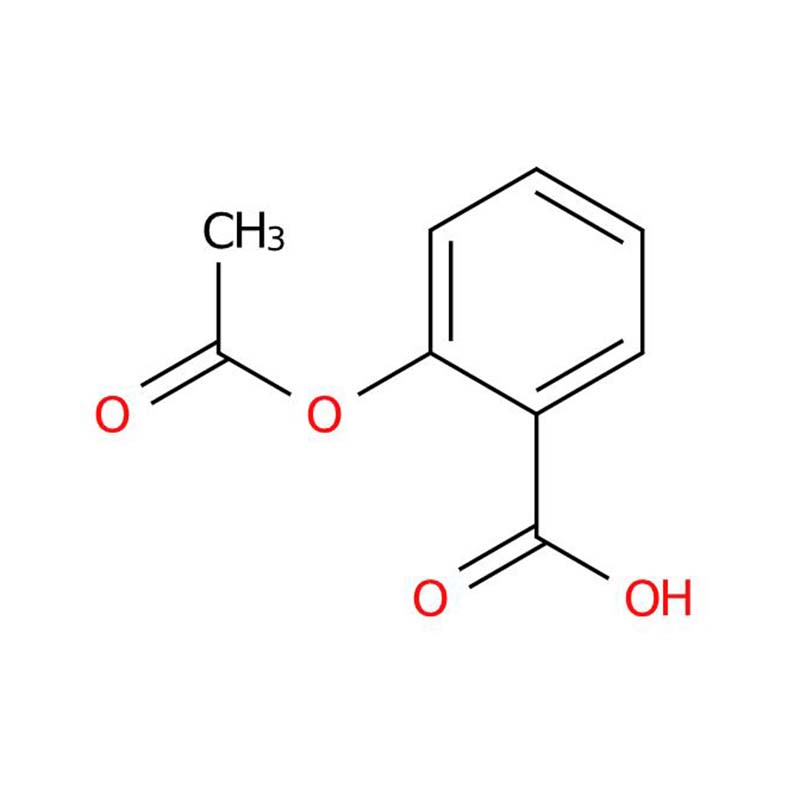
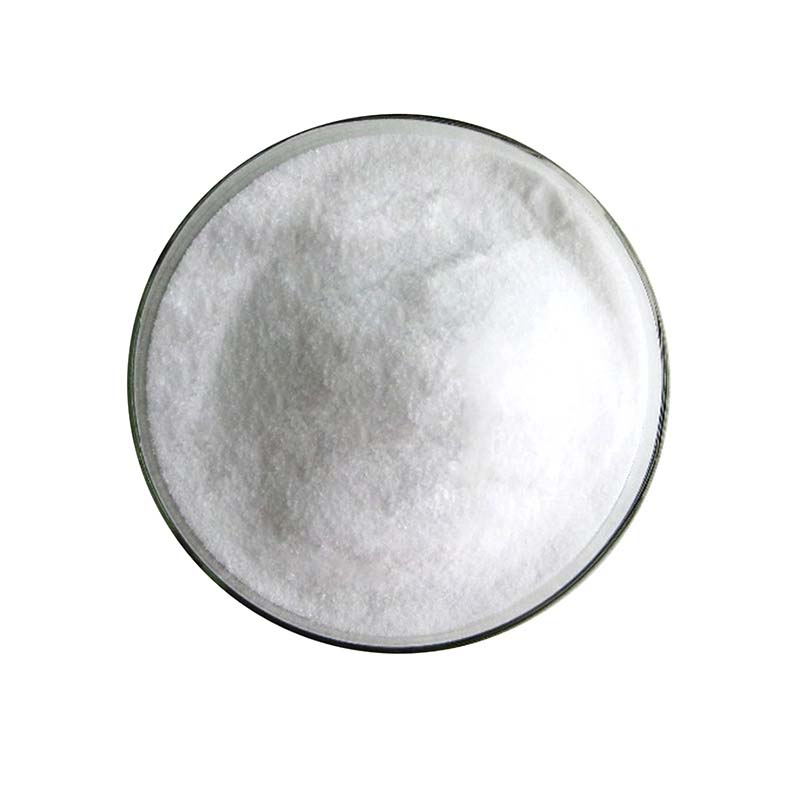
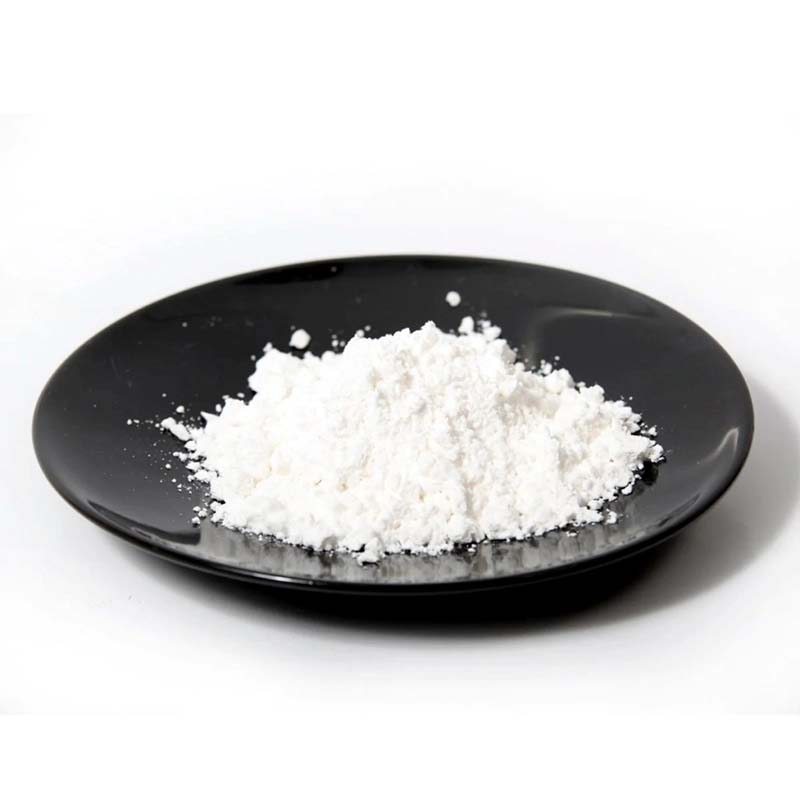
Acetylsalicylic acidCAS:50-78-2
Analgesic and Anti-inflammatory Effects
Aspirin is a classic non-steroidal anti-inflammatory drug (NSAID) with well-documented analgesic and anti-inflammatory activities, which have been widely validated and applied in clinical practice.
Antithrombotic Action Mechanism
By irreversibly blocking the cyclooxygenase enzyme, aspirin exerts a potent inhibitory effect on platelet aggregation, thereby providing reliable antithrombotic protection and preventing abnormal blood clot formation.
Cardiovascular Health Protection
Clinical evidence confirms that regular aspirin administration can markedly lower the mortality risk linked to acute myocardial infarction and cerebrovascular events, playing a crucial role in safeguarding cardiovascular health.
Chemopreventive Potential
Growing scientific research suggests that aspirin may reduce the incidence of colorectal cancer, thus extending its therapeutic scope beyond traditional indications and enhancing its clinical value.
Acetylsalicylic acid, commonly known as aspirin, is classified as a nonsteroidal anti-inflammatory drug (NSAID) that was initially developed based on its anti-inflammatory and analgesic properties. Later scientific studies uncovered its ability to suppress platelet aggregation via irreversible inhibition of the cyclooxygenase enzyme, which in turn confers antithrombotic effects. With the deepening of research, aspirin has been found to possess multiple additional therapeutic applications. These include proven effectiveness in reducing mortality associated with myocardial infarction and stroke, as well as accumulating evidence indicating its potential to lower the incidence of colorectal cancer—such findings have collectively extended its clinical value beyond the original therapeutic indications.
Melting point | 134-136 °C (lit.) |
Boiling point | 272.96°C (rough estimate) |
density | 1.35 |
refractive index | 1.4500 (estimate) |
Fp | 250 °C |
storage temp. | 2-8°C |
solubility | H2O: 10 mg/mL at 37 °C |
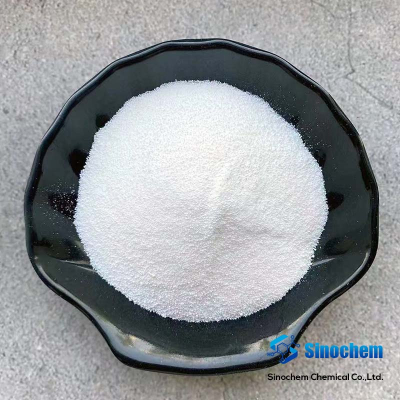
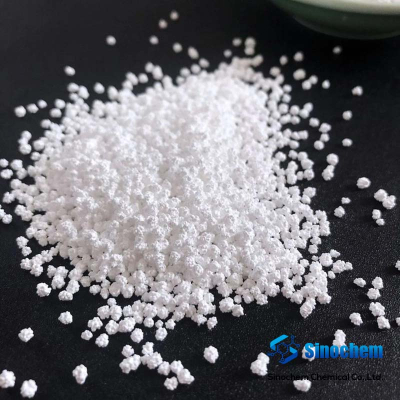
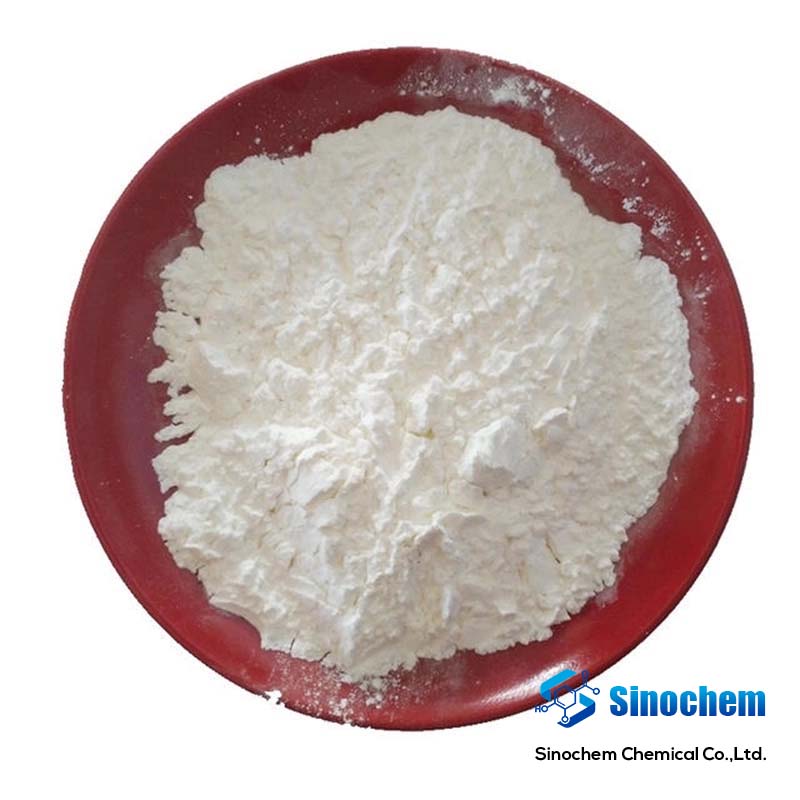
form | crystalline |
color | white |
pka | 3.5(at 25℃) |
biological source | synthetic |
Water Solubility | 3.3 g/L (20 ºC) |
ε(extinction coefficient) | 190 at 298nm in aqueous base at 1mM |
409 at 231nm in aqueous base at 1mM | |
466 at 230nm in aqueous acid at 1mM | |
68 at 278nm in aqueous acid at 1mM | |
Merck | 14851 |
BRN | 779271 |
Exposure limits | ACGIH: TWA 5 mg/m3 |
NIOSH: TWA 5 mg/m3 | |
BCS Class | 3 |
Stability: | Stable. Keep dry. Incompatible with strong oxidizing agents, strong bases, strong acids, various other compounds such as iodides, iron salts, quinine salts, etc. |
InChIKey | BSYNRYMUTXBXSQ-UHFFFAOYSA-N |
LogP | 1.19 |
CAS DataBase Reference | 50-78-2(CAS DataBase Reference) |
NIST Chemistry Reference | Benzoic acid, 2-(acetyloxy)-(50-78-2) |
EPA Substance Registry System | Aspirin (50-78-2) |
Safety Information | |
Hazard Codes | Xn |
Risk Statements | 22-36/37/38 |
Safety Statements | 26-36/37/39 |
OEB | B |
OEL | TWA: 5 mg/m3 |
RIDADR | UN 1851 |
WGK Germany | 1 |
RTECS | VO0700000 |
TSCA | Yes |
HazardClass | 6.1 |
PackingGroup | III |
HS Code | 29182210 |
Hazardous Substances Data | 50-78-2(Hazardous Substances Data) |
Toxicity | LD50 orally in mice, rats: 1.1, 1.5 g/kg (Hart) |